


Overview
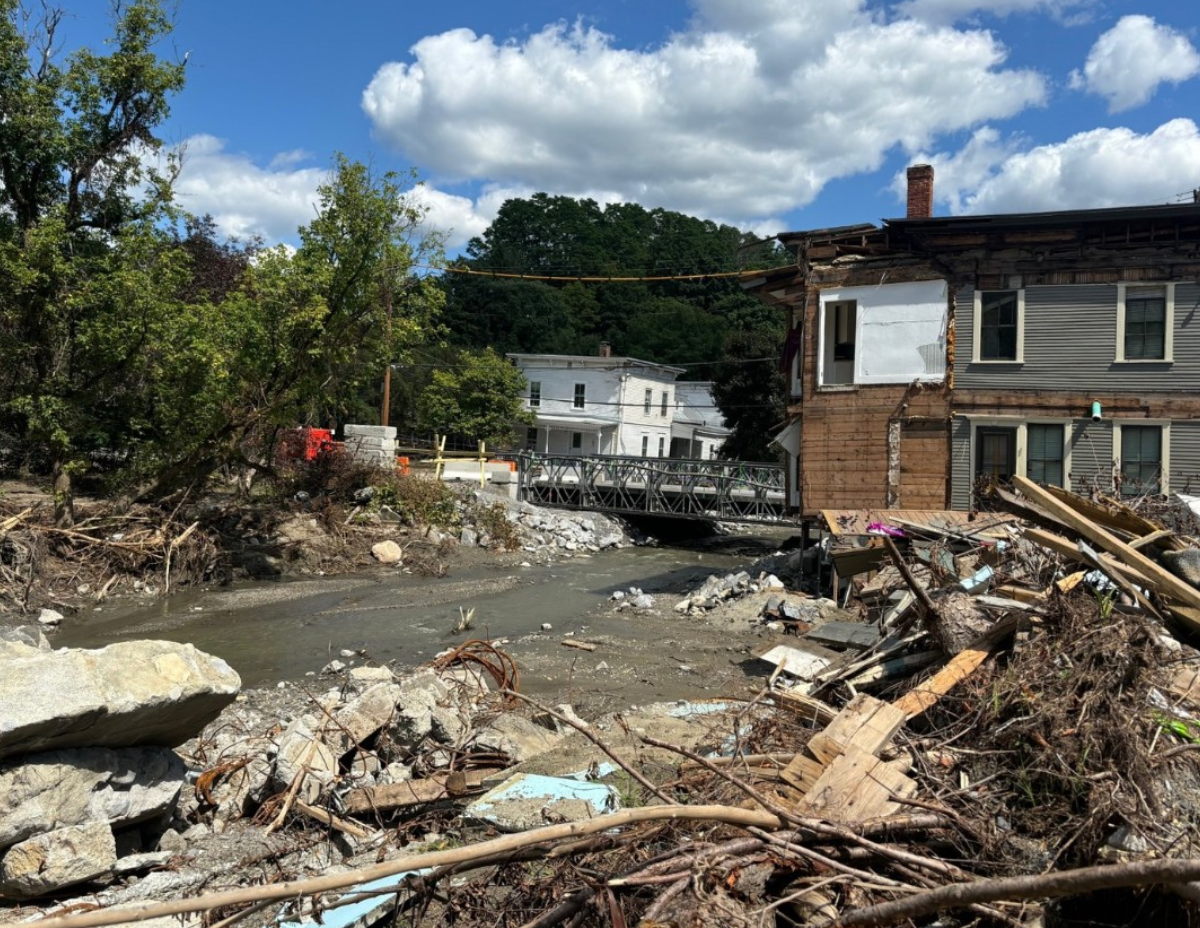
Vermont's municipalities face the "Ouroboros" cycle: each climate event depletes capacity to prepare for the next, creating a downward spiral that constrains proactive planning and investment in resilience. Following the 2023 floods, the Vermont Bond Bank (VBB) established the Municipal Climate Recovery Fund (MCRF) to provide low-interest loans with flexible repayment terms to Vermont's small and rural communities for post-disaster recovery. The MCRF offers critical liquidity while local governments wait for federal reimbursement.
In December 2025, the Public Finance Initiative (PFI) convened ”Incentivizing Adaptation: A Workshop on Vermont’s Municipal Climate Recovery Fund” (the “Workshop”) for the VBB and key stakeholders across the state as part of the VBB's participation in PFI's Rural and Small Cities Program, supported by the Robert Wood Johnson Foundation. Through presentations and facilitated discussions, participants in the Workshop learned about local, regional, and state efforts to incentivize climate adaptation practices and provided feedback on which components the VBB could consider integrating into the MCRF. Attendees discussed the range of proactive actions local governments could take, before disasters, to lower their exposure to future flood damages, reduce the cost of recovery, and safeguard municipal fiscal health.
"Instead of waiting for aid that may never come, Vermont communities can reduce risk before disasters strike and build resilience on their own."
-Michael Gaughan
Executive Director, Vermont Bond Bank
The Action Plan endeavors to summarize select Workshop findings that reflect the collective input of Workshop attendees and areas that could form the basis for practice changes, in alignment with the objectives of the VBB, as administrator of the MCRF. Read the full Action Plan here.
Acknowledgements & Disclaimer
This resource was created for educational purposes only as part of the Rural & Small Cities Program, with the support of the Robert Wood Johnson Foundation. The views and perspectives presented in this resource are those of the authors and the Public Finance Institute team.