



About this resource
This series features expert-led, action-oriented explainers focused on key finance topics. The series is intended to help leaders learn about the topic, apply proven practices, and access hands-on tools that can strengthen their approach.
What is climate change mitigation?
According to the United Nations Framework Convention on Climate Change, climate mitigation refers to “efforts to reduce or prevent the emission of greenhouse gases and to enhance activities that remove these gases from the atmosphere.” (UNFCCC, 2023). Mitigation addresses the root causes of climate change by limiting the magnitude and pace of global warming. In practice, climate mitigation can be defined and operationalized differently across states and local governments depending on factors such as local economic conditions, governance and legal frameworks, emissions profiles, and the sectors that contribute most to climate risk. Mitigation strategies often span energy, transportation, buildings, land use, and industry, and may include actions such as transitioning to renewable energy, improving energy efficiency, electrifying transportation systems, and protecting natural carbon sinks like forests and wetlands.
"Mitigation addresses the root causes of climate change by limiting the magnitude and pace of global warming."
What is an example of a project focused on climate mitigation?
An example of a climate mitigation project undertaken by a government is the transition of the municipal energy supply to 100% renewable sources. The noted project may include installing solar arrays on public buildings, entering into power purchase agreements for wind energy, retrofitting facilities for greater energy efficiency, and other efforts. Additionally, it might include electrifying the city’s vehicle fleet and expanding electric vehicle charging infrastructure to reduce transportation emissions. The noted efforts, and others, target the sources of greenhouse gas emissions that are generated via energy use and transportation to lower the carbon footprint of a government while stabilizing long-term energy costs.
How are governments funding climate mitigation?
Governments can fund climate mitigation through a mix of public finance strategies. Climate mitigation is often funded from pay-as-you-go appropriations from grants, own-source revenues from taxes, charges, fines or fees. Governments also raise revenue through carbon pricing tools like carbon taxes or cap-and-trade systems, which both discourage emissions and generate funds that can be reinvested in mitigation projects. Additionally, many governments raise money for climate mitigation efforts from municipal bonds, including green bonds, to finance infrastructure such as renewable energy, transit, and energy-efficient buildings. Increasingly, governments are also leveraging public-private partnerships, revolving loan funds, and performance-based financing vehicles (i.e. social impact bonds, etc.) to expand the pool of private investment channels for climate mitigation efforts across sectors.
Actionable Resources
- U.S. Climate Resilience Toolkit: The U.S. Climate Resilience Toolkit was designed to help people find and use tools, information, and subject matter expertise to build climate resilience. The Toolkit offers information from across the U.S. federal government and sector partners in one location. This hub helps improve people’s ability to understand and manage their climate-related risks and opportunities, and to help them make their communities and businesses more resilient to extreme events. (Source: USA)
- Local Greenhouse Gas Inventory Tool: This tool by the Environmental Protection Agency (EPA) helps communities evaluate greenhouse gas emissions from municipal operations and the broader community with a focus on developing a quick inventory. (Source: U.S. EPA)
- CMAQ (Congestion Mitigation and Air Quality Improvement) Emissions Calculator Toolkit: These interactive resources from the Federal Highway Administration (FHWA) Office of Natural Environment assist localities in analyzing the emission costs and benefits of transportation projects. The tools were designed to assist in a specific project-justification process, but are relevant to communities seeking to incorporate air quality and greenhouse gas emissions in transportation project decisions. (Source: FWHA)
- Waste Policy and Program Impact Estimator: This spreadsheet calculator by the EPA estimates reductions in life cycle greenhouse gases from implementing new or expanded solid waste policies and programs. (Source: U.S. EPA)
Project Spotlight: Chicago, illinois
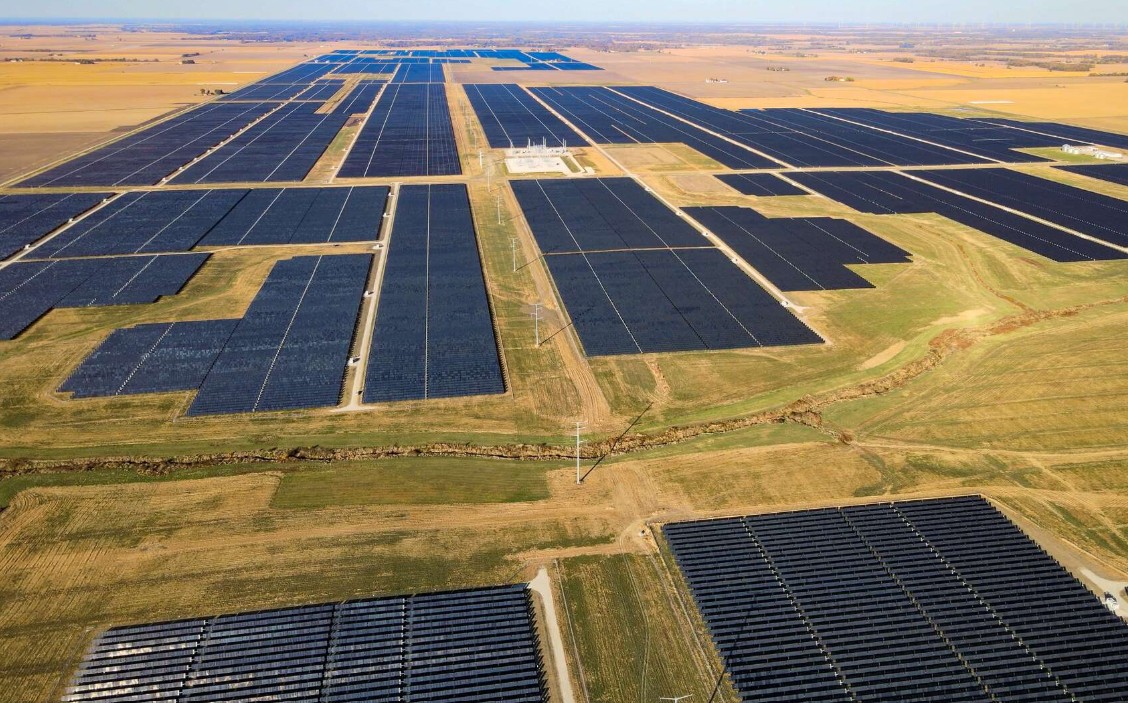
The city of Chicago has launched one of the largest municipal renewable energy initiatives in the United States by powering all city-owned buildings, including O'Hare International Airport and Midway International Airport, with clean electricity generated from the Double Black Diamond Solar Farm in central Illinois. The 593-megawatt solar installation, the largest solar farm east of the Mississippi River, enables Chicago to operate its municipal facilities on 100% renewable energy while significantly lowering greenhouse gas emissions. By transitioning city operations away from fossil fuel-based electricity, the project is expected to reduce Chicago’s carbon footprint by approximately 290,000 metric tons annually, demonstrating how large cities can use long-term clean energy procurement to advance climate mitigation goals, improve air quality, and accelerate the transition to a low-carbon economy.
Acknowledgements, Disclaimer & Contributing Authors
This resource was created for educational purposes only as part of the Rural & Small Cities Program, with the support of the Robert Wood Johnson Foundation. The views and perspectives presented in this resource are those of the author and the Public Finance Institute team. The Public Finance Institute acknowledges staff members Lourdes German, Katy Hansen, Richard Figueroa, Haley Mulligan and Peter Hamlin for their contributions to this resource.