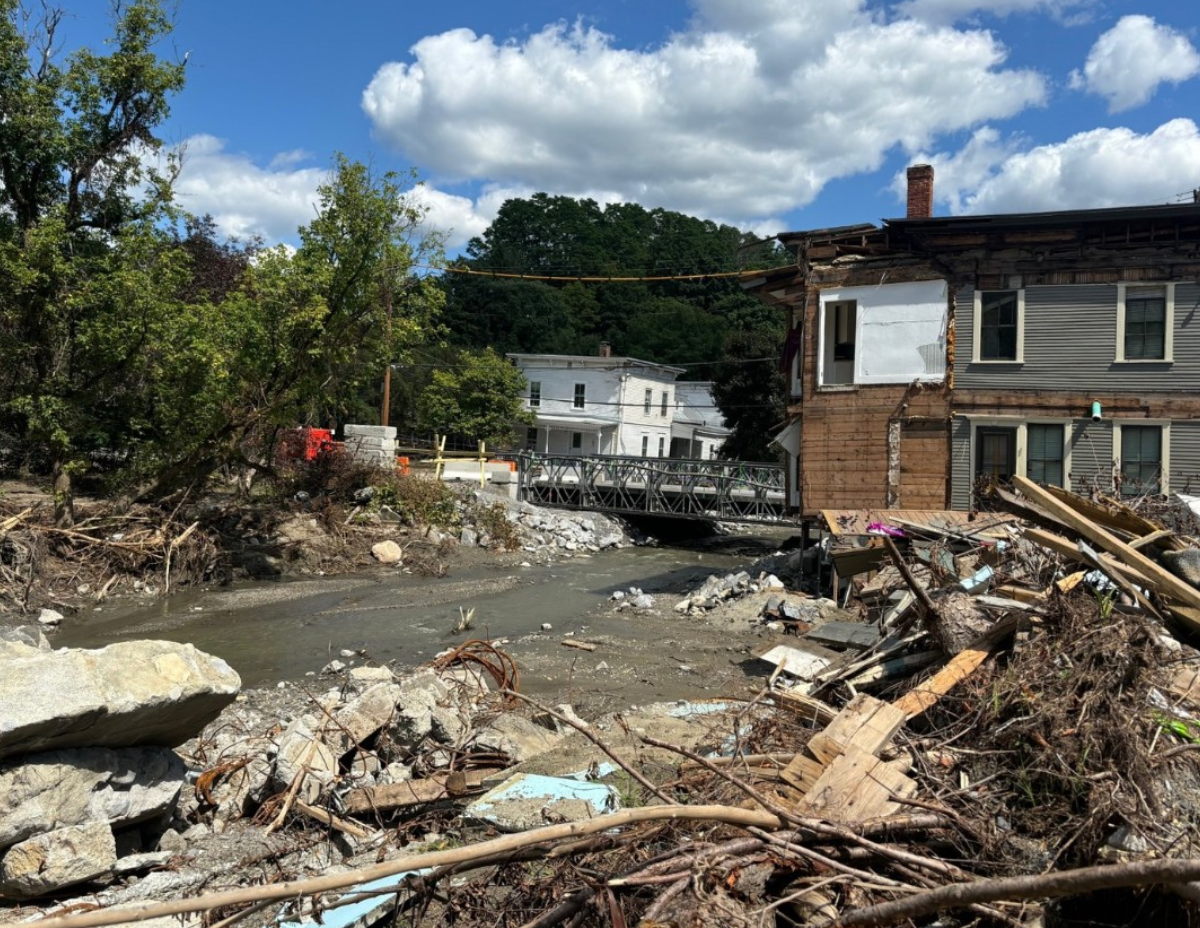



What does it take to move the needle on the deep and persistent patterns of disinvestment that shape rural and small cities across America and Tribal Nations? Our team launched the Rural and Small Cities Program (the “Program”), with support from the Robert Wood Johnson Foundation, to explore this question and support governments in taking meaningful action toward change.
Designing our program criteria
We began by seeking to understand the scale and nature of the challenge: the magnitude of unmet need across the country, the many factors that shape the rural, small-city, and Tribal financing ecosystem, the barriers and gaps that constrain investment, and the opportunities that could be leveraged differently. From that foundation, we designed and tested novel interventions intended to introduce catalytic resources into places that have been left behind by traditional forms of investment.
We explored whether a first-of-its-kind philanthropic social investment, structured as an unfunded guarantee, could serve as a catalytic tool to unlock new investment and reduce barriers to capital in rural and small communities.
In designing our Program, we encountered a challenge that many practitioners working are aware of - there is no single, universally accepted definition of “rural” and no single definition of what constitutes a “small” city.
Federal agencies and researchers, including the United States Department of Agriculture Economic Research Service, and others, acknowledge the vastly different measures, including population size, density, geographic isolation, proximity to metropolitan areas, and other criteria that can be applied when defining rurality. Rurality is best understood as a continuum rather than a binary designation. Accordingly, the appropriate definition for a rural city can, thus, vary depending on the policy, program, or investment purpose.
A “small city” in the United States does not have one universally accepted definition and can be defined using several different measures depending on the purpose. Population is the most common approach, with thresholds ranging from communities of a few thousand residents to cities with populations of 50,000 or more. Other definitions consider factors that are like population density, geographic scale, metropolitan status, commuting patterns, or the city’s role as a regional service center. For example, the U.S. Census Bureau distinguishes urban areas based primarily on population density and concentration, while other federal programs use population thresholds or metropolitan/nonmetropolitan classifications. For some public finance and economic development practitioners, “small city” may also reflect institutional capacity or the size and scale of the fiscal base. Thus, like “rural,” small city is best understood as a context-dependent designation rather than a single population cutoff.
We designed our Program criteria to work with governments and organizations that serve cities and towns with a population under 100,000, and which reflected indicators from the rurality spectrum, including population density, geographic isolation, proximity to metropolitan areas, and others.
Recruiting a cohort of Rural and Small City Serving Leaders
The Rural and Small Cities Program recruited a cohort of 6 government and non-government organizations who were committed to shifting patterns of disinvestment in the rural and small cities or tribal nations within their boundaries and service areas:
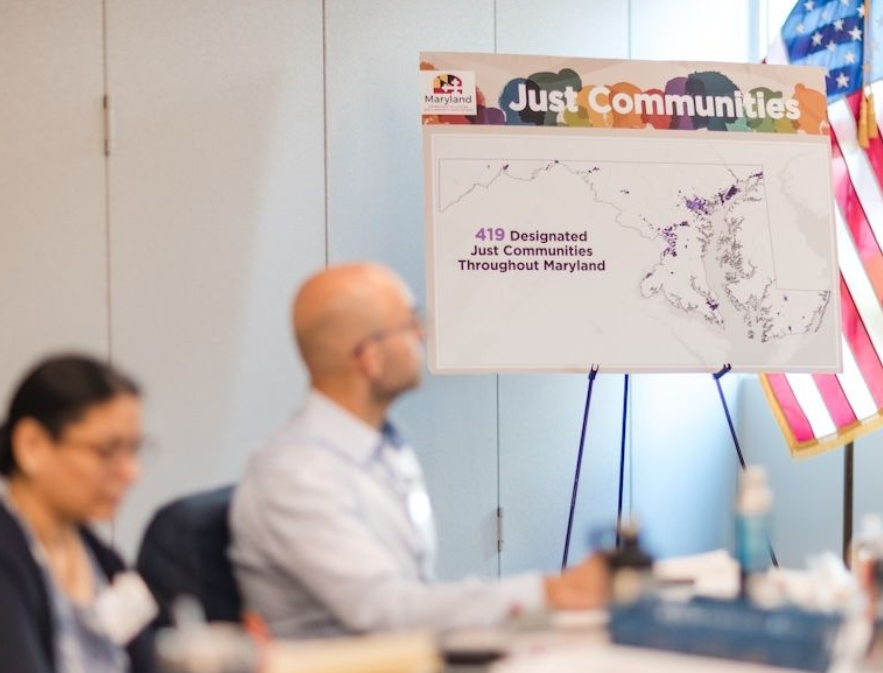
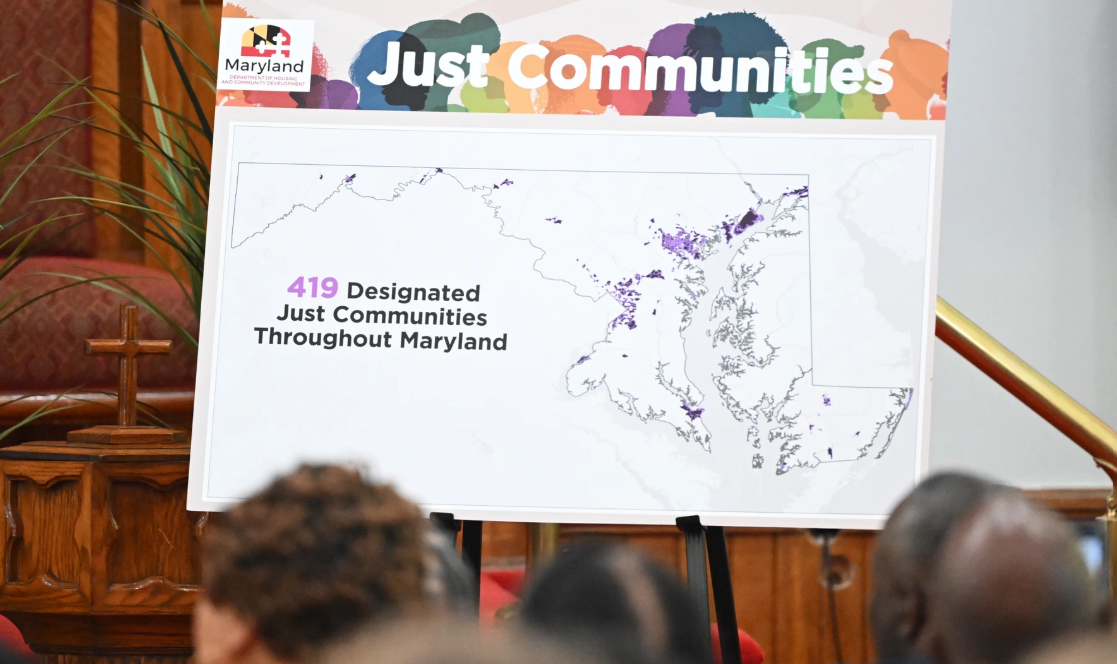
· The State of Maryland Division of Just Communities
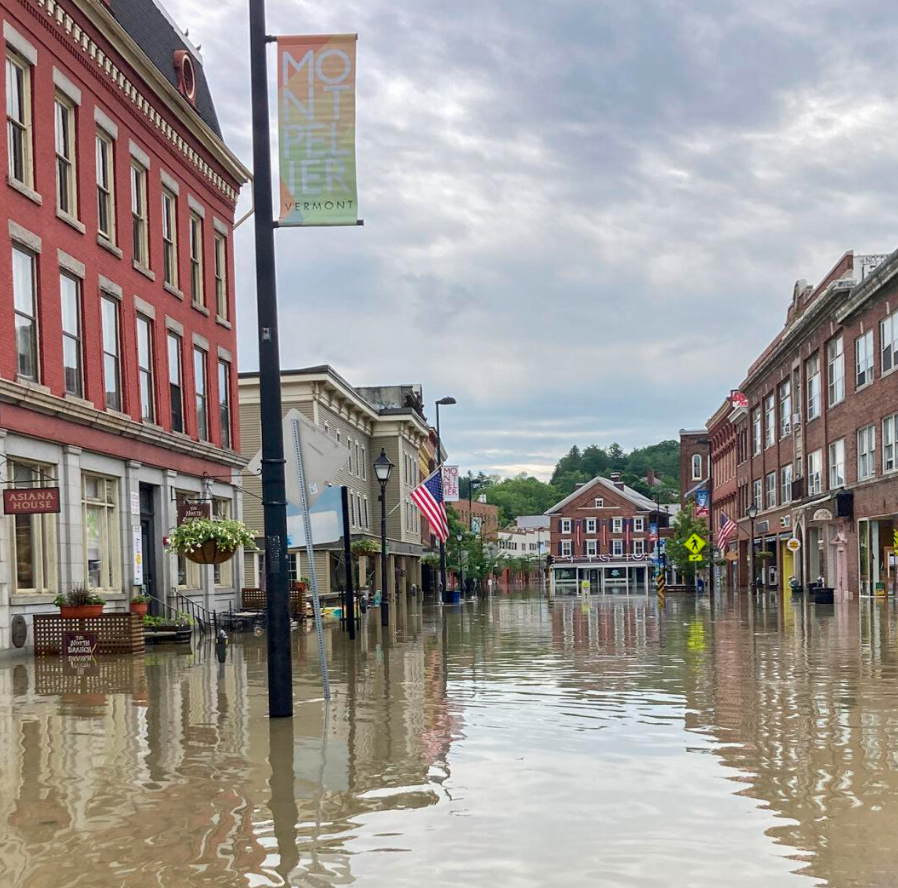
· The Vermont Bond Bank
· The Maryland Community Investment Corporation
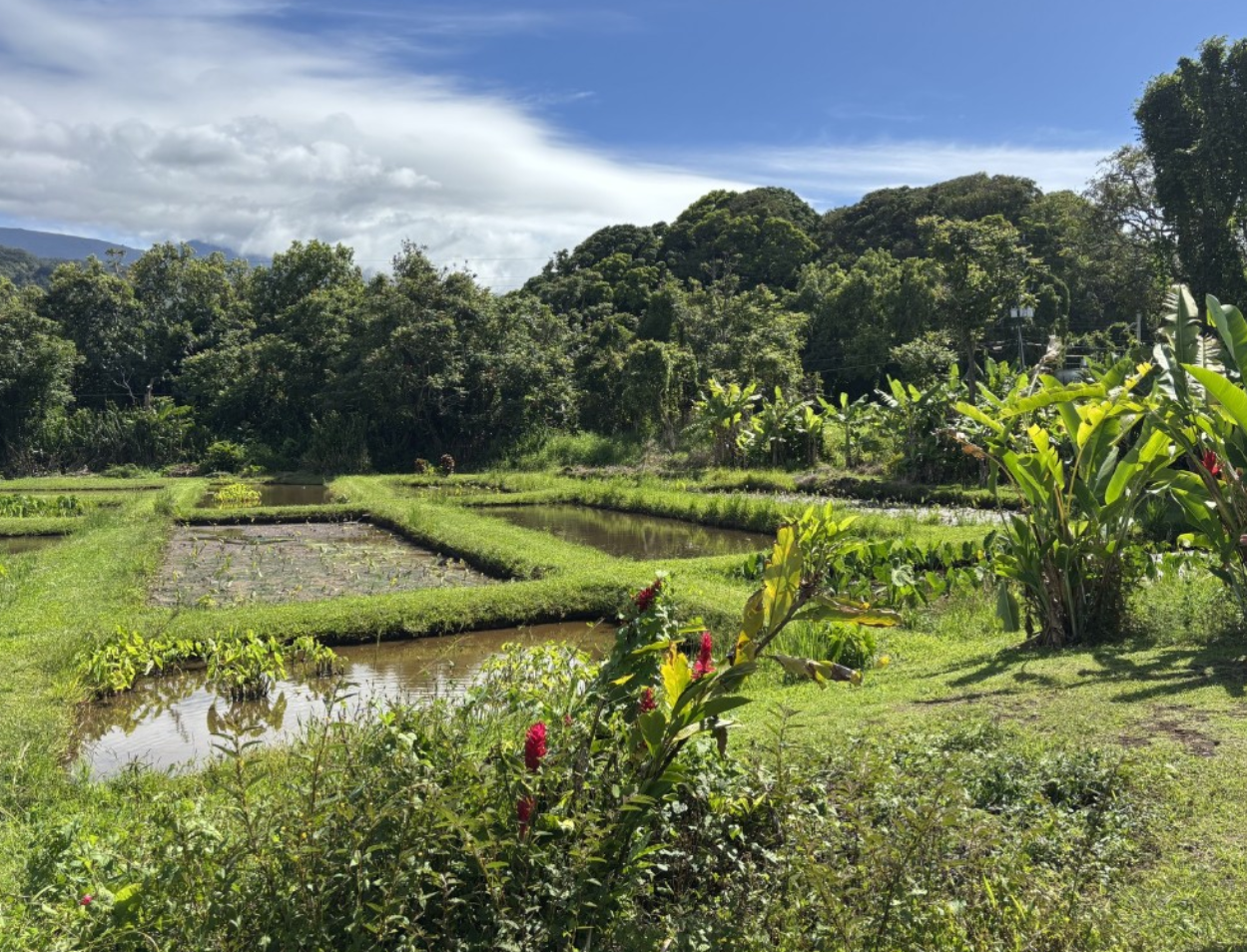
· The East Maui Water Authority, a department of Maui County, Hawaii
· The Greater Arizona Development Authority & Arizona Finance Authority
· The Illinois Finance Authority
Each government and quasi-governmental organization that we selected are powerful “intermediaries” (state departments, state authorities, county departments, or quasi-governmental entities) that sit between the state and localities or tribal nations. Each had a mandate to work across rural and small cities and towns or tribal nations within their mandate and service area, with a general focus of expanding channels of infrastructure investment or in a bespoke area, like water or climate risk.
Understanding the challenges & needs of the rural and small city ecosystem, and tribal nations
Our initial engagement with each selected Program partner started with developing an understanding of the specific place-based realities, aspirations, needs, history, and constraints faced by the rural, small, and tribal jurisdictions they served, guided by two core questions:
- What key place-based priorities did the selected partner need to advance to broaden the scope of available public finance resources to small, rural, and tribal governments? and
- What capacity building would help strengthen the capacity of the selected small, rural and tribal governments served by the partner to absorb and deploy the new resources raised effectively?
This last element was crucial, as not all communities are immediately prepared to receive additional funding. Some require stronger capital planning, improved financial systems, or greater institutional capacity to accommodate new investments and generate sustainable outcomes.
Although each selected partner received a targeted capacity building and technical assistance plan in service of their local priority, there was one consistent element that we tested in the program across all partners: each partner evaluated how and whether a novel form of philanthropic program-related investments could be integrated into their public finance strategy to raise money from outside investors on capital efficient terms, as part of a resource expansion strategy.
This allowed us to test a fundamental hypothesis in the Program: if philanthropy can transcend traditional grant-making, by providing flexible, patient, and risk-tolerant capital that can be strategically deployed to modify the conditions under which significantly larger pools of capital are mobilized, can that create a pathway to facilitating investments that might otherwise not occur in tribal nations, rural and small cities?
Structure of the Compendium
This compendium brings together what we have learned through that work, along with experiential tools and resources we began developing for the field as our learning evolved. At its core is a vision for an integrated model of place-based public finance for Tribal Nations, rural and small cities that begins with community priorities and works backward to identify and align the combination of public, philanthropic, and private capital, as well as the institutional capacity needed to achieve them. In this model, finance is not simply a mechanism for funding projects; it is a tool for translating community priorities into durable investment and development strategies.
This compendium does not prescribe a singular model or approach. Instead, it offers experiential roadmaps, tangible strategies, and action-oriented resources that practitioners, philanthropists, government leaders at the state, local, county, Tribal, and federal levels, and others working across the rural, small-city, and Tribal ecosystem can adapt to their own contexts.
The challenges, assets, histories, communities, and conditions across rural, small, and Tribal jurisdictions in America are highly fragmented and varied. There is no single definition of need, no universal financing constraint, and no one-size-fits-all solution. Our hope is that these resources can help move the field toward a more coordinated, place-based approach to investment that is capable of confronting entrenched patterns of historical disinvestment while ensuring that the priorities, knowledge, and values of communities have a meaningful role in shaping where and how capital flows.
Acknowledgements & Disclaimer
This resource was created for educational purposes only aspart of the Rural & Small Cities Program, with the support of the Robert Wood Johnson Foundation. The views and perspectives presented in this resourceare those of the authors and the Public Finance Institute team.