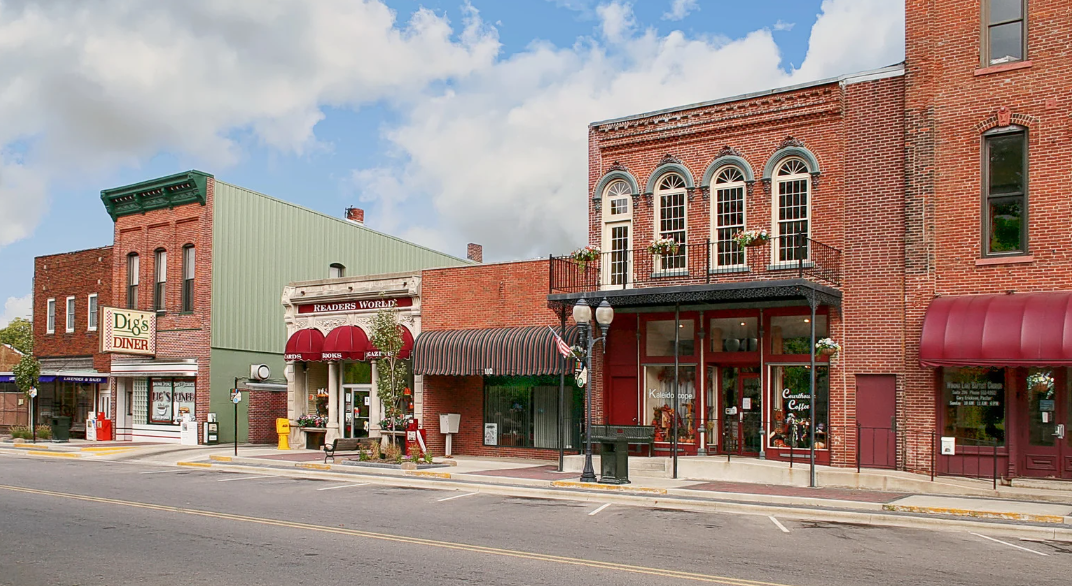


Community engagement is often treated as an important part of public-sector work. But through our Rural and Small Cities Program, we saw that meaningful engagement can be much more than a meeting or a procedural requirement. In public finance, community engagement can help shape what gets funded, what gets built, and what becomes possible for a community when they see their voice and lived experience shaping the vision and strategy. Decisions about infrastructure, housing, water, transportation, economic development, and climate resilience have lasting consequences. The people who live with those decisions bring knowledge and perspectives that can make public investments more responsive and effective.
Through our work with public leaders across the country, we encountered many strong community engagement practices. We highlight several that stood out to our team.
Listening that leads to action
People are more likely to participate meaningfully when they understand why they are being asked to participate and how their input will be used. But listening is only the beginning. Governments that close the loop by communicating what they heard, what they are doing with what they learn, and how it will potentially inform action are able to build trust with their constituents in powerful ways.
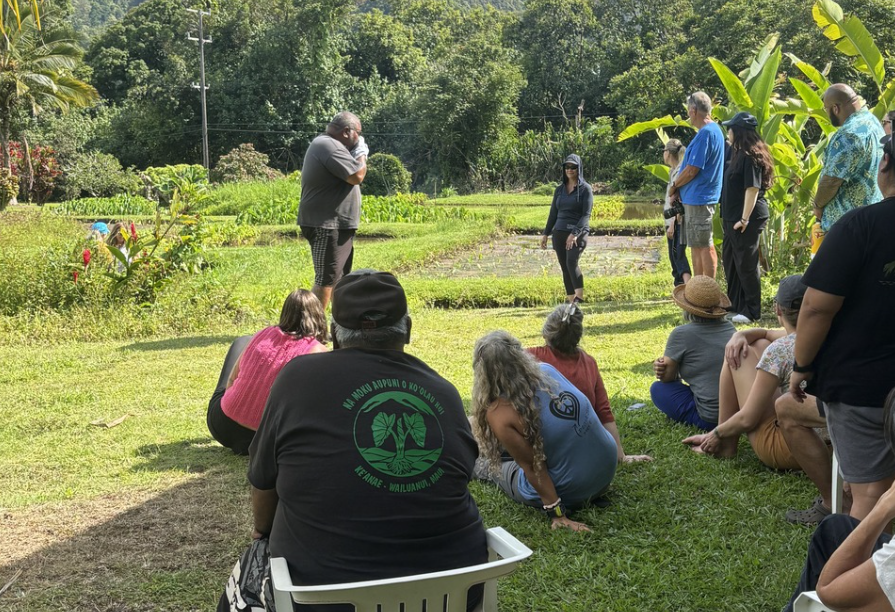
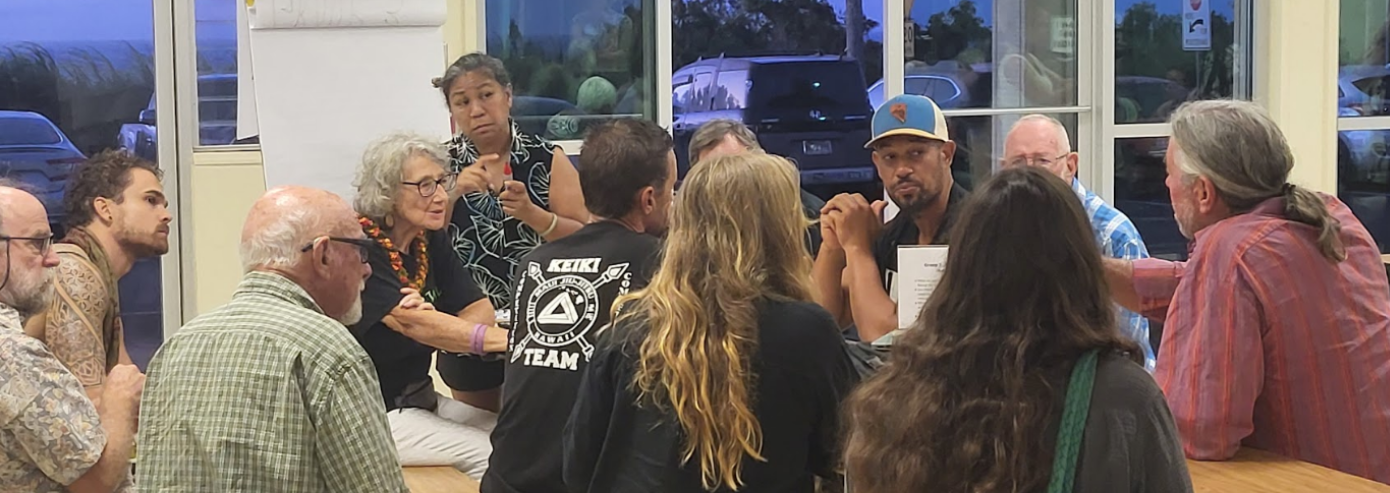
The East Maui Water Authority (EMWA) provided a powerful example. During community workshops hosted in 2025, residents of Keʻanae, Upcountry, and the North Shore toured East Maui streams and met with water and finance experts. They raised concerns about fairness in water resource management, upgrading the system, increasing transparency, supporting food security, and strengthening decision-making. Following that, in the fall EMWA and PFI brought community members, advocates, and officials together again to identify priority projects and the financing tools that can support them. The workshops served as working sessions where residents were invited to “help set direction and evaluate options for funding and implementing the projects they surfaced as important. They are also a chance for other water advocates across Maui County to learn about financing strategies for long-term, values-aligned infrastructure improvements”, as observed by Gina Young, Executive Director of the EMWA in this interview with our team. Our Action Plan summarizes how the ideas residents shared is also informing potential direct project investments and the EMWA’s future vision and strategy.
Understand difficult histories without asking communities to relive it
For some communities, meaningful engagement requires understanding histories of disinvestment, displacement, discrimination, or other forms of harm. A trauma-informed approach to community engagement is one mechanism to be attentive and responsive to complex histories and recognizes that the responsibility for understanding a community’s history should not fall entirely on the community. While there is no single definition or strategy of what comprises a trauma-informed community engagement strategy, a key guiding principle involves the recognition that authentic care should be taken when asking residents to recount their experiences. Governments can build their own institutional knowledge using a range of sources to ensure that residents do not have to continually educate the government about their history in ways that may potentially cause them to relieve the experience of trauma.
The Maryland Department of Housing and Community Development’s Division of Just Communities exemplifies the power of this approach through its People-Centered Placemaking work. The initiative focuses on building staff capacity to understand historical and ongoing marginalization and to approach community engagement with greater historical awareness, sensitivity, and respect.
Create space for honest dialogue
Good engagement also requires creating spaces where people can be candid, where ideas do not have to be fully formed and challenges can be discussed without judgment.
The Greater Arizona Development Authority demonstrated this through a workshop that brought government leaders together to discuss projects at different stages of development. Using Chatham House Rules helped create space for candid conversations about not only potential projects, but the barriers preventing communities from developing them.
Strengthening the capacity of leaders to work with honesty in a community of practice is important because it enables them to look beyond individual projects in place and ask a broader question: What does a community need to move from an idea to an investment?
It also helped open conversations about what may be needed to strengthen the capacity of leaders to propose strong projects, build project pipelines and support them in broader multi-year processes of capital planning.
Engagement should be part of public finance
Public finance is ultimately about choices: what gets invested in, how those investments are financed, and whose needs are prioritized. Community engagement cannot, and should not, eliminate the difficult tradeoffs governments must make. But it can bring important information, perspectives, and lived experience into those decisions.
Our work through the Rural and Small Cities Program reinforced a powerful lesson: meaningful engagement is not simply about giving communities a voice. It is about creating the conditions for communities to help shape decisions and for governments to listen, respond, and follow through. That is not separate from public finance. It is part of making public finance work better.
Acknowledgements & Disclaimer
This resource was created for educational purposes only as part of the Rural & Small Cities Program, with the support of the Robert Wood Johnson Foundation. The views and perspectives presented in this resource are those of the authors and the Public Finance Institute team.